3D. Antigen Receptors and Clonal Selection
Antigen Receptors
Differences Between BCR and TCR
B Cell receptors (BCR), and T cell receptors (TCR) are both antigen receptors important for the functioning of adaptive immunity. They have significant differences in structure and function.
BCRs are located on the cell surface of B cells and recognise intact antigens, such as proteins, polysaccharides, and lipids.
TCRs are found on T-cells and recognize peptide fragments presented by MHC molecules on the surface of other cells.
BCRs are immunoglobulins (Ig), composed of two heavy and two light chains that form a Y-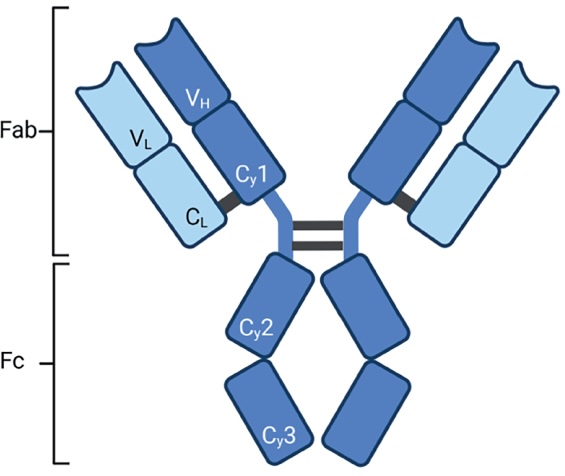
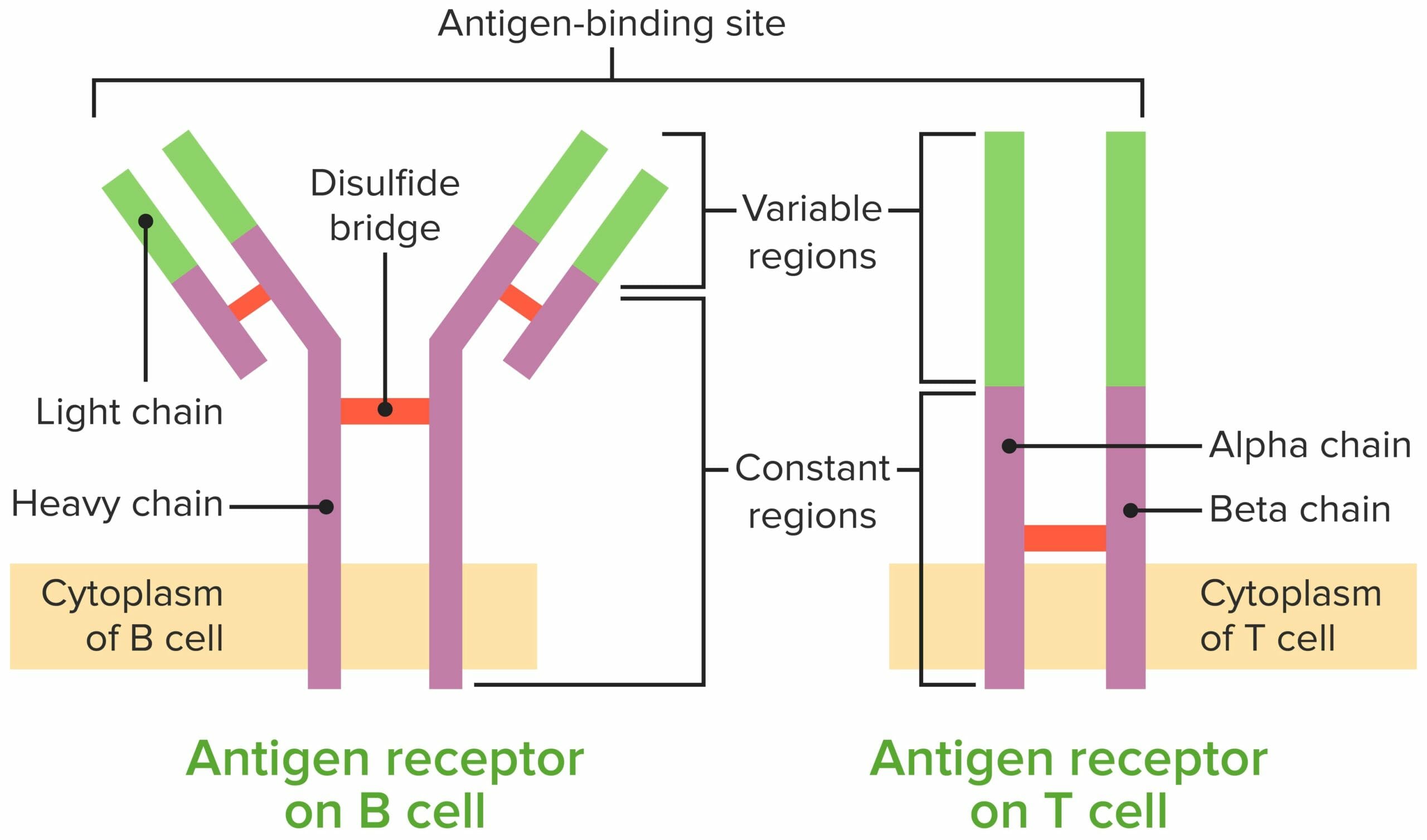
On the other hand, TCRs consist of alpha and beta chains (or gamma and delta chains in some T-cells). These chains are linked by a disulphide bond, and work together to bind to peptide-MHC complexes on the surface of antigen presenting cells.
Both BCRs and TCRs belong to the immunoglobulin-like fold family, with their antigen-binding sites composed of three loops called complementarity-determining regions (CDRs) in each receptor chain. The third CDR (CDR3) is the most diverse among the three CDRs due to V(D)J recombination and random nucleotide insertions during this process.
Receptor Diversity — V(D)J Recombination
Co-receptors and Signalling
Clonal Selection
- The Clonal Selection Theory
- Clonal Expansion and Differentiation
- Memory Cells vs Effector Cells
- Negative Selection and Tolerance (linking back to your B cell content)
Summary
- How Antigen-Receptor Binding Triggers Clonal Selection
- Affinity Maturation and Somatic Hypermutation (relevant for B cells specifically)
Source
What Are The Differences Between BCR and TCR | CD Genomics Blog. (2024, December 21). Retrieved June 3, 2026, from Cd-genomics.com website: https://www.cd-genomics.com/blog/bcr-vs-tcr/